Compression socks, stockings and tights (sometimes called leggings) all do similar things and work in the same ways, but there are some important differences. These include what they’re used for, and also when and for how long they’re worn.
If you’re new to the world of compression garments, it can be hard to decipher the terminology and work out what’s best for your needs. So this blog explains the basics, helping you make an informed decision to get maximum benefit.
The Difference Between Compression Socks, Stockings and Tights
The main difference between compression socks, stockings and tights is the length:
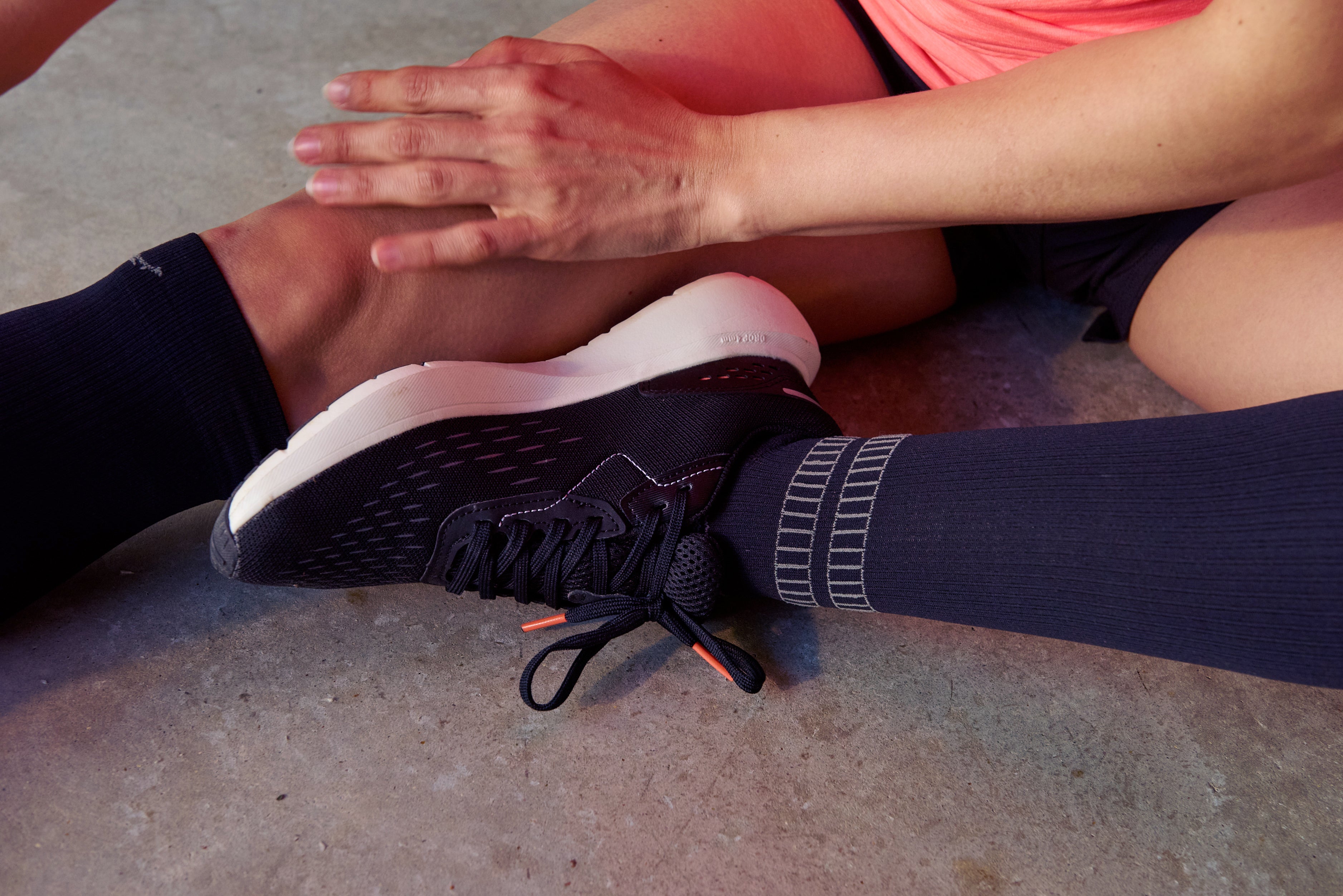
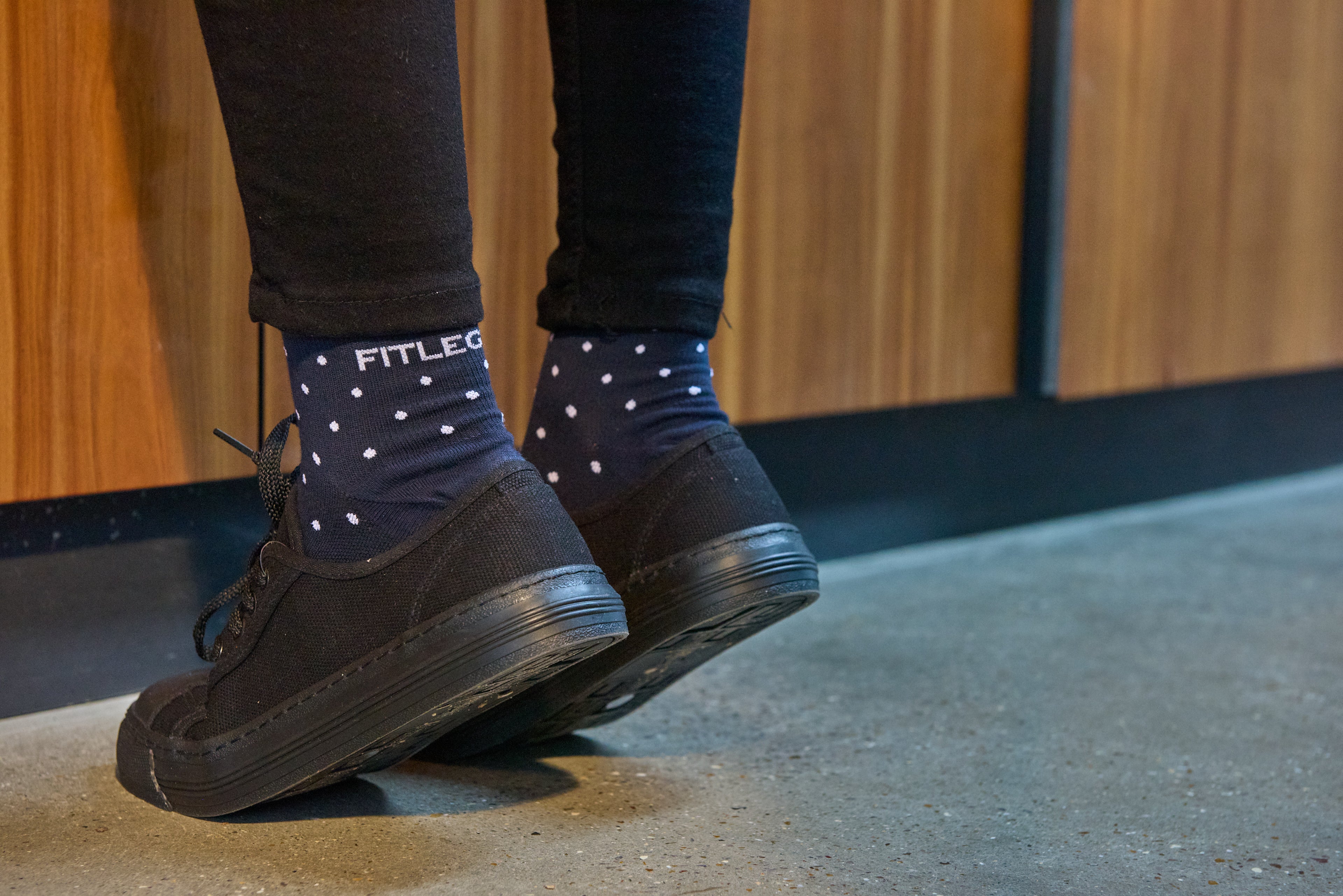
- Compression socks cover the calf, ending just below the knee
- Compression stockings cover the knee and end mid-thigh
- Compression leggings or tights extend to the waist, and are worn as a single garment, rather than as a pair
All of them provide pressure to the legs, applying the most at the ankle, and decreasing as it goes further up the leg. All of them are also available in a range of compression levels designed for everyday use, all the way up to treating medical issues. However, as a very general rule, compression stockings and tights are often more associated with higher compression, medical uses.
When to Choose Compression Socks
Compression socks, especially our Everyday Life and Sports & Recovery ranges with lower levels of compression, are designed to be comfortable and supportive for long-term wear.
Compression socks are ideal for wearing as you would regular socks, especially for those with jobs that require a lot of walking and standing, like medical professionals, teachers, postal workers, and manual labourers, among others.
Conversely, they’re also suitable for people who spend a lot of time sitting down, such as office workers, drivers, frequent travellers, or those with reduced mobility, such as the elderly, pregnant women, or those recovering from injury. Athletes can also benefit from wearing them during and after exercise to help with performance and recovery.
Compression socks can be a great choice for most people and most conditions, but they are also available for use in medical settings, offering a higher level of compression to help specific conditions like varicose veins and venous insufficiency.
When to Choose Compression Stockings or Tights
Stockings or tights are also available in a range of compression levels, but are often used more in a medical or care context for specific conditions. They provide more compression and support across the whole leg (and sometimes the lower abdomen), usually at a higher level, because they extend over the knee.
They’re used for a range of potential issues, such as moderate to severe varicose veins, chronic venous insufficiency, post-surgery recovery, pregnancy, or managing and treating conditions like edema and DVT. In many cases, they can only be worn for limited time periods.
You should seek medical advice before wearing medium or high-compression stockings, such as the FitLegs AES range, because they may not be suitable for everyone. For very high compression levels, your doctor may have to prescribe them for you.
Making Your Decision
If you’re looking for compression clothing you can comfortably wear all day, light compression socks such as our Everyday Life Compression Sock range are probably the best choice. These can be taken on and off easily and offer good support for long-term wear.
However, if you have a specific condition to manage, especially if it’s above the knee, or have been recommended by your doctor, medium-to-high level compression stockings or tights may be a better choice.
Regardless of your choice, explore the full range of FitLegs compression socks and stockings today.